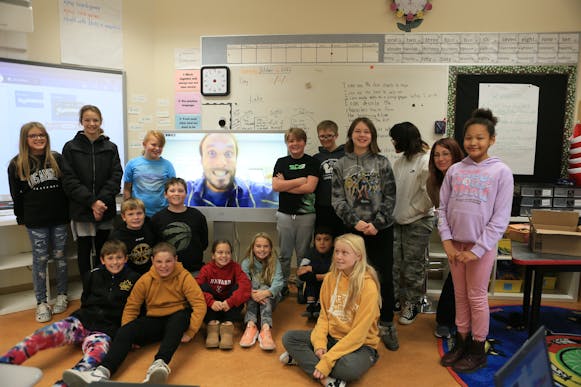
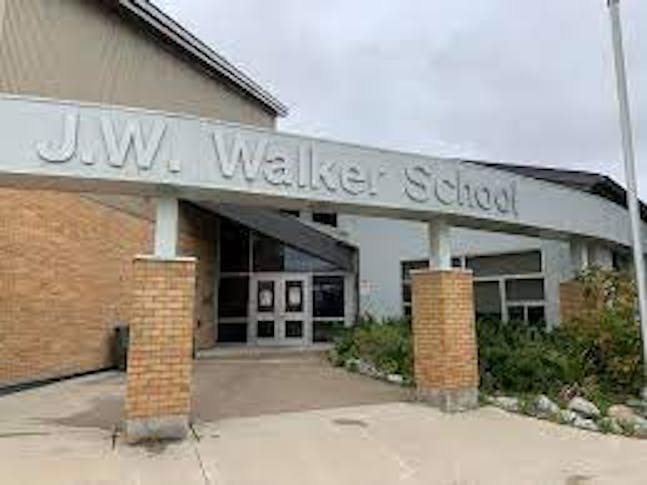
J.W. Walker
Fort Frances, ON
At J.W. Walker, we believe:
- All students can achieve to their potential.
- All members of the school community must feel safe, respected and included.
- Leaders in our school are essential to ensure an effective learning environment.
- Student achievement is optimized when teaching addresses the learner’s developmental level and learning style.
- A variety of on-going assessments should be used to measure student achievement and to guide instruction.
- Staff, parents and community partners must feel that their collaboration towardsstudent achievement is valued and
recognized.
- An open and positive partnership between home and school supports student achievement.
- All members of the school community share the responsibility of student achievement and success.
Population of Fort Frances
7,800
Languages Spoken
Cree
Ojibwe
English
Grades
Junior Kindergarten - Grade 6
About J.W. Walker Public School
J.W. Walker is one of three schools in Fort Frances and part of the Rainy River District School Board. It is a very welcoming and busy school where the students and staff are involved in a myriad of activities throughout the year.
J.W. Walker is home to 250 students and 23 teachers and support staff. J.W. Walker has a diverse student body with approximately 40% identifying as Anishinabe. Students learn one of two second languages, Indigenous students work with an Anishinabe elder for 40 minutes per day and students in grade 4-6 learn French.
Students at J.W. Walker are very reflective in how they interact with the world around them. They tend to be quiet and in thought while engaging in learning. Please do not assume that they are not paying attention or listening but understand that they are thinking about what you are teaching them and may have questions and comments after the session. Give them time to collect their thoughts before moving on even if you don’t get through all your content as you might be surprised at the insight or discussion that happens.
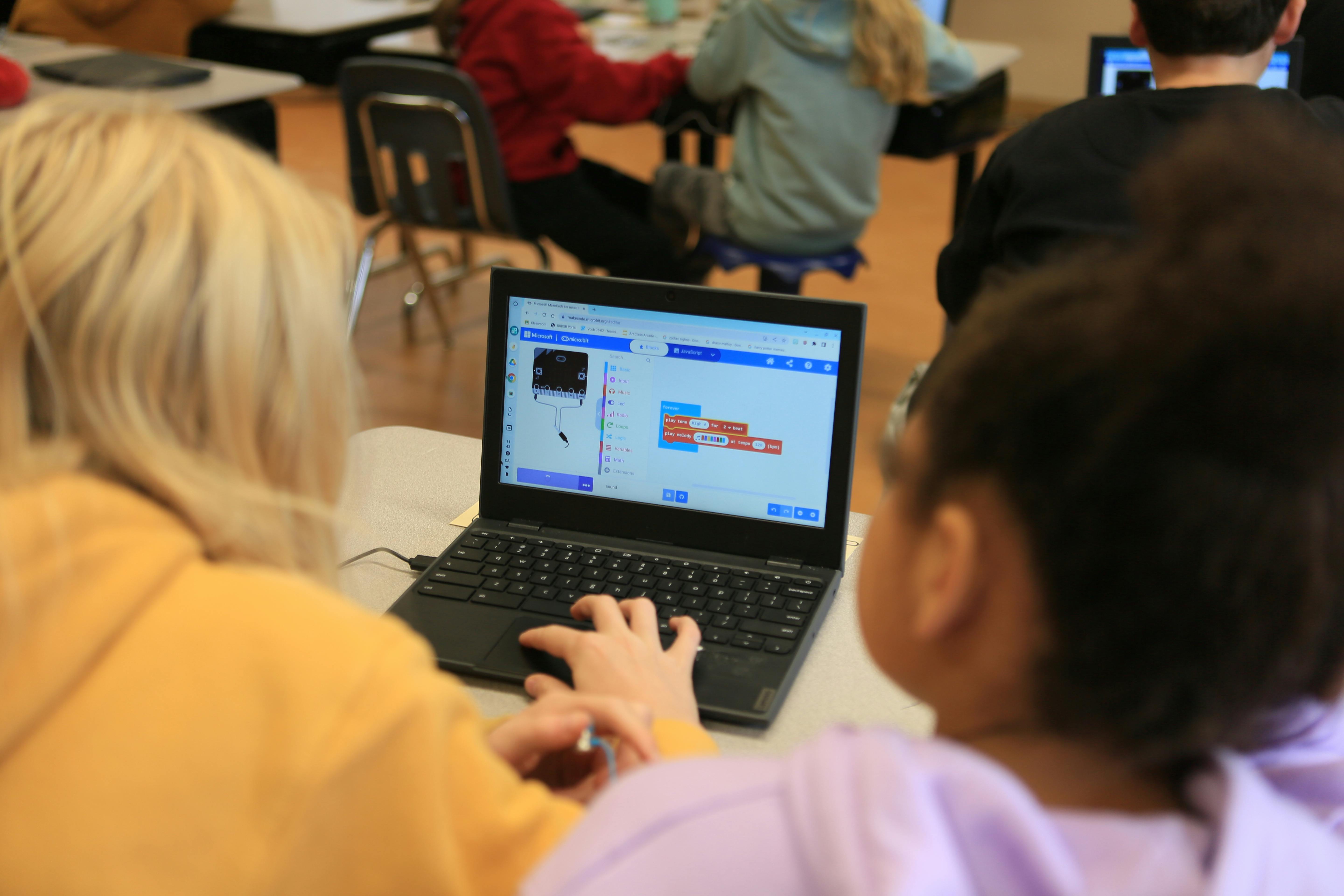
Our students thrive in learning environments where there is a connection to their personal talents, attributes, or interests. All are hands-on learners who like to interact in some way with the content that is being provided. Students particularly enjoy sessions which involve movement, music and building. They are interested in animals and their habitats and are eager to share their knowledge of the environment where they live with the providers. If the opportunity presents itself, please ask the students how the session materials relate to the students and their learning. You may be surprised at what they can teach you!
In our region, important seasons and special events are Harvest Week in October, Literacy Week in February and recognizing Orange Shirt Day (now also the National Day of Truth and Reconciliation, on September 30th), Pink Shirt Day (February 23rd), and the National Day of Awareness for Missing and Murdered Indigenous Women and Girls and Two-Spirit People (May 5th). We post regularly on Facebook and welcome you to join and learn about some of the activities on our school’s Facebook page.
We look forward to you connecting with our students and enjoying our learning journey together.
Simple Ojibwe Vocabulary
Hello: Boozhoo or Aaniin.
Come in: Bendigen.
My name is (your name): Niin (your name) nindizhinikaaz.
Please: Daga.
See you again: Giga-waabamin menawaa.
See you later: Giga-waabamin naagaj