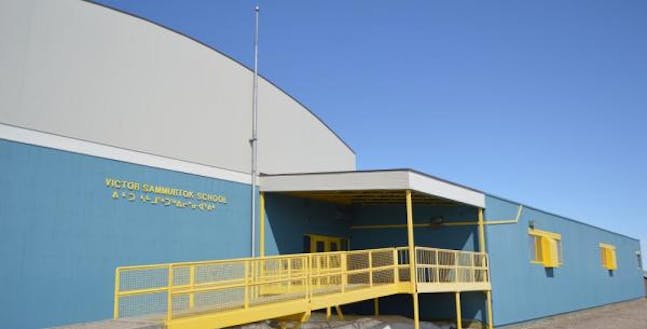
Victor Sammurtok School
Chesterfield Inlet, NU
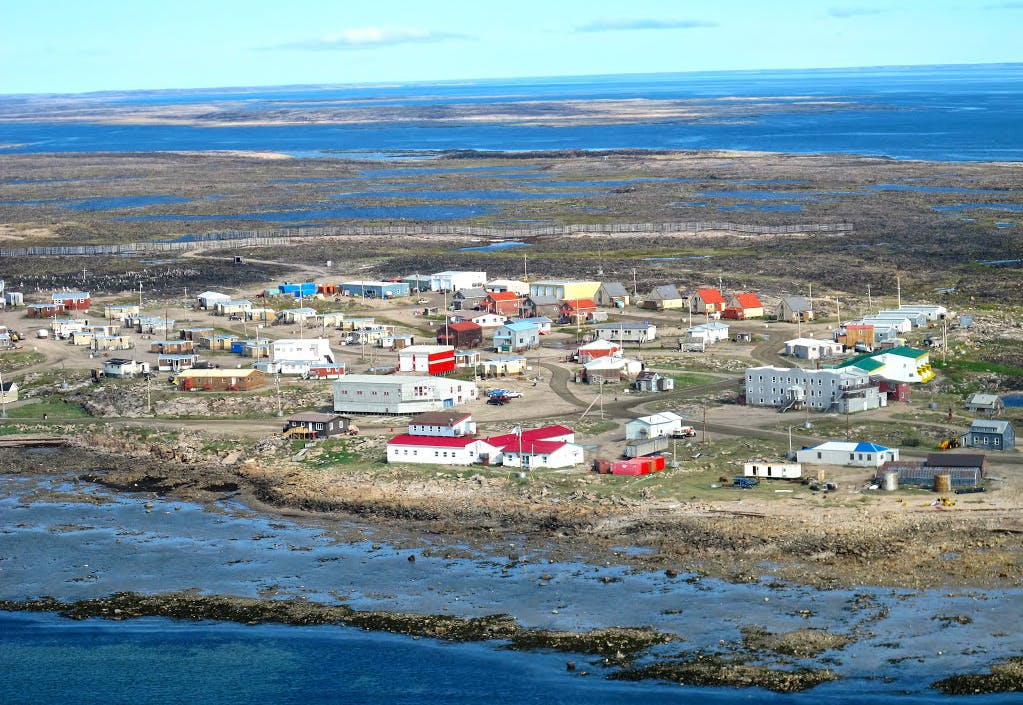
The Victor Sammurtok School is located in Chesterfield Inlet on the west coast of Hudson Bay in the Kivalliq Region, Nunavut, Canada. It is the only school in Chesterfield Inlet that teaches children or young adults from Kindergarten to Grade 12.
The District Education Authority goals and objectives are to provide quality Education in our Primary and High schools allowing students to learn and grow by attending our academic programs and to acquire knowledge of the Inuktitut language and writing skills through in-house cultural programs. The District Education Authority Board and the Victor Sammurtok School encourages all students to learn basic skills taught in our schools with the guidance and tutoring from our school staff. Students are encouraged to pursue further post-secondary or other training studies.
Details
Population of Chesterfield Inlet
397 (2021)
Languages Spoken
Inuktitut
English
Grades
Kindergarten - Grade 12
About Victor Sammurtok School
Our Vision:
We would like Victor Sammurtok School to be a place in which teachers and students have increased opportunities for growth and success.
We envision Victor Sammmurtok School as a community of learners and leaders where everyone develops respect for self and others and a sense of responsibility.
We expect high student achievement, and a vigorous school community in which students interact with their peers and teachers, develop pride in their culture and confidence in them-selves, thereby building positive self-esteem and self-worth.
Our Mission:
We at Victor Sammurtok School aim to nurture the whole child (emotionally, socially, physically and academically); by building a safe atmosphere in which each child is encouraged to attain his/her own potential, to share in peaceful living, to endeavour to become a responsibility member society.
Qajaq Building Program
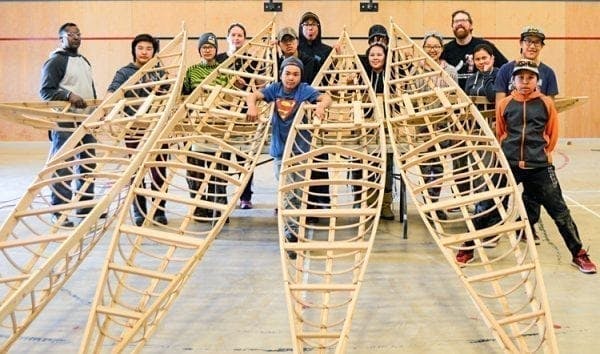
Since 2004 the students at VSS have been building qajaqs and learning how to paddle them on the ocean. In 2018 they won an Arctic Inspiration Prize which mean they could build 30 new qajaqs based on the style of qajaq that would have originally been paddled in the Chesterfield Inlet area. As well as new suits that no longer lets in cold ocean water. Knowledge-keepers and elders teach youth how to build and paddle their own qajaqs.
Chesterfield Inlet, Nunavut has a rich qajaqing history, though it has not been mobilized in several generations. In the early 2000s a local teacher, Glen Brocklebank, began to research the traditional use of qajaqs in Inuit life, looking for ways to revitalize this valued tradition for his students. With some initial government funding, he and a team of students successfully built nine qajaqs in ten days as part of a school project. This trial project was a success and additional funding was secured to acquire gear that would enable the students to put the qajaqs in the water so they could learn boating and water safety skills.
The Qajaq Program was developed to connect young people with local knowledge keepers and elders to learn how to build and paddle their own qajaqs. Through this program, the youth of Chesterfield Inlet build hand-crafted qajaqs based on the design that was used in the area hundreds of years earlier, and also create special qajaqs that can be shipped to other communities as a teaching resource.
The program is designed for students in grades 9-12 and engages them in the qajaq building process as well as teaching them water skills. Students are required to have good attendance at school, and for those who participate, attendance is almost perfect – they take it seriously and are proud of it! Younger students also come out to watch the activities, which sets up future interest in the program.
The benefits of the program are many. Young people are connected with elders who share their traditional knowledge. The students learn new skills, both in building qajaqs and in using them for sport and hunting activities. The water safety skills they learn have proven invaluable as they learn not to be afraid of water.
The Qajaq Program also helps build community by getting the broader community involved. The Hamlet Council has often gathered to watch the students build their qajaqs and watch them out on the water. The elders also watch the young people developing their skills on the water, and some participate themselves. Community members remark on how proud they are of the kids who have helped revitalize this valued tradition, and of the life lessons they are learning.
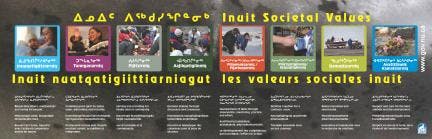
Inuit Qaujimajatuqangit Principles
From its start in 1999, Nunavut has been guided by Inuit societal values. They continue to be guided by these principles as they address challenges and step forward together towards a brighter future:
• Inuuqatigiitsiarniq: Respecting others, relationships and caring for people.
• Tunnganarniq: Fostering good spirits by being open, welcoming and inclusive.
• Pijitsirniq: Serving and providing for family and/or community.
• Aajiiqatigiinniq: Decision making through discussion and consensus.
• Pilimmaksarniq/Pijariuqsarniq: Development of skills through observation, mentoring, practice, and effort.
• Piliriqatigiinniq/Ikajuqtigiinniq: Working together for a common cause.
• Qanuqtuurniq: Being innovative and resourceful.
•Avatittinnik Kamatsiarniq: Respect and care for the land, animals and the environment.
Some Vocabulary in Inuktitut:
English Inuktitut Phonetics
Good Morning * Ublatsiaq * Oo-blah-ci-awk
Good Day * Ublukkut * Oo-blu-koot
Thank you * Qujannamiik * Key-ann-a-me
You are welcome * Ilaali * Ee-lah-li
Kayak * Qajaq * Kai-yak
Polar Bear * Nanuq * Naa-nook
Seal * Nattiq * Naa-tuck
Caribou * Tuktu * Took-two
Narwhal * Tuugaalik * Two-gaa-lick